
When it comes to maintaining your Toyota vehicle, the quality of the replacement parts you use can significantly affect the longevity and performance of your car. Whether you own a classic Toyota Corolla, a rugged Toyota RAV4, or a high-performance Toyota Supra, sourcing the right parts is essential. In this comprehensive guide, we’ll explore why buying genuine Toyota parts is crucial, how to navigate the online marketplace, and why ToyotaParts.com stands out as a reliable destination for all your Toyota part needs.
Có thể bạn quan tâm: Hướng Dẫn Mua Sắm Phụ Kiện Và Phụ Tùng Toyota Đúng Cách
1. Why Genuine Toyota Parts Matter
1.1 Consistent Quality and Performance
Genuine Toyota parts are engineered to meet the exact specifications of the original equipment manufacturer (OEM). They undergo rigorous testing and quality control processes ensuring that they fit perfectly, perform consistently, and maintain the vehicle’s intended safety and performance standards.
1.2 Compatibility and Longevity
Unlike aftermarket or generic parts, OEM parts are designed specifically for your Toyota model, ensuring seamless integration with your vehicle’s systems. This compatibility reduces wear and tear on the surrounding components, translating into longer life spans for the parts themselves and the vehicle as a whole.
1.3 Warranty Protection
Using OEM parts often preserves the manufacturer’s конце warranty on your vehicle. Many Toyota warranties stipulate that only genuine parts be used for repairs. Swapping to aftermarket parts might void warranty coverage or result in denied claims.
1.4 Resale Value
A vehicle that has been maintained with genuine parts typically retainsៗ its resale value better than one that has been fitted with aftermarket components. Potential buyers appreciate the assurance that the car was cared for with quality parts.
Có thể bạn quan tâm: Toyota Tại Orlando: Hành Trình Của Thương Hiệu Đỉnh Cao Vào Thị Trường Bán Xe Mỹ
2. The Growing Trend of Online Parts Shopping
2.1 Convenience
Buying parts online eliminates the need to visit physical auto parts stores, which can be time-consuming. With just a few clicks and a secure payment method, you can order parts from anywhere in the world.
2.2 Price Transparency
Online platforms often provide transparent pricing and allow you to compare similar items across different sellers. Many sites also offer discount codes, bundle deals, and free 打shipping.
2.3 Comprehensive Catalogs
Large eCommerce sites maintain extensive inventories, covering part numbers from Sobre 1.0% to 2026 models. This breadth is particularly advantageous for owners of older or niche Toyota vehicles.
2.4 Customer Reviews and Ratings
Most online marketplaces featureoan customer reviews and ratings, giving you insight into the performance of a part and the reliability of the seller.
Có thể bạn quan tâm: Hướng Dẫn Chọn Và Thay Thổi Bộ Lọc Dầu Mới Cho Xe Toyota: Từ Lý Thuyết Đến Thực Tiễn
3. What Makes ToyotaParts.com Stand Out
ToyotaParts.com has emerged as a go-to destination for Toyota owners worldwide. Here’s why:
3.1 Dedicated Toyota Focus
Unlike generic auto part sites, ToyotaParts.com specializes in Toyota. This focus means the site offers an extensive catalog of genuine parts across all Toyota models and years, from the 1985 Corolla to the latest 2026 Highlander.
3.2 Authentic OEM Parts
All products listed on ToyotaParts.com are 100% OEM, sourced directly from Toyota’s global distribution network. No third‑party manufacturers or counterfeit components.
3.3 Advanced Search and Filtering
The site’s robust search engine allows you to filter by vehicle year, model, part number, and even OEM code. This precision saves time and eliminates guesswork when ordering parts.
3.4 Secure Payment and Shipping
ToyotaParts.com uses industry-standard encryption for all transactions, protecting your personal and payment data. Shipping is handled by trusted logistics partners, ensuring timely delivery and clear tracking.
3.5 Dedicated Customer Support
A knowledgeable support team is available via chat, email, and phone to answer part compatibility questions, help troubleshoot installation issues, and provide after‑sales guidance.
4. How to Use ToyotaParts.com Effectively
4.1 Identify the Exact Part Needed
Before searching, locate your vehicle’s Vehicle Identification Number (VIN). The VIN provides the exact model, engine type, and manufacturing details. You can also use Toyota’s official Parts Catalog, which includes part numbers for every component.
Tips for Finding Part Numbers:
- Owner’s Manual: Most manuals list critical part numbers for replacement.
- OEM Service Manual: These manuals are exhaustive in detailing part locations and specifications.
- On‑Board Diagnostics (OBD): Some parts can be identified through diagnostic codes.
4.2 Use the Site’s Filters
On the homepage, type your vehicle’s year and model into the search bar. The site will auto‑populate a list of compatible parts. Use the drop‑down filters to narrow by category (e.g., brakes, suspension, engine) or by part number.
4.3 Verify Part Authenticity
Check the product page for OEM part numbers, OEM code references, and authenticity seals. Genuine Toyota parts usually display a Toyota logo and a unique serial code.
4.4 Read Reviews and Ratings
Scroll to the customer reviews section. Pay attention to comments about fit, performance, and quality. High ratings and positive feedback indicate reliability.
4.5 Check Shipping Options and Return Policy
Review the shipping details: estimated delivery times, costs, and shipping carriers. ToyotaParts.com typically offers free shipping for orders over a certain threshold and a 30‑day return policy for non‑functional parts.
Có thể bạn quan tâm: Cẩm Nang Tìm Kiếm Và Mua Phụ Tùng Toyota Tại Canada: Đảm Bảo Chất Lượng Và Tiết Kiệm Chi Phí
4.6 Place Your Order
Add the desired parts to your cart, proceed to checkout, and choose a secure payment method. Double-check your shipping address and confirm the order.
4.7 Track Your Shipment
Once shipped, you’ll receive a tracking number via email. Use the shipping carrier’s tracker to monitor delivery progress.
5. Common Toyota Parts You Might Need
Below is a list of frequently replaced parts. If you’re unsure whether a part is necessary, consult a professional mechanic or use_images on ToyotaParts.com’s “Parts for Your Vehicle” feature.
| Category | Common Parts | Why Replacement is Important |
|---|---|---|
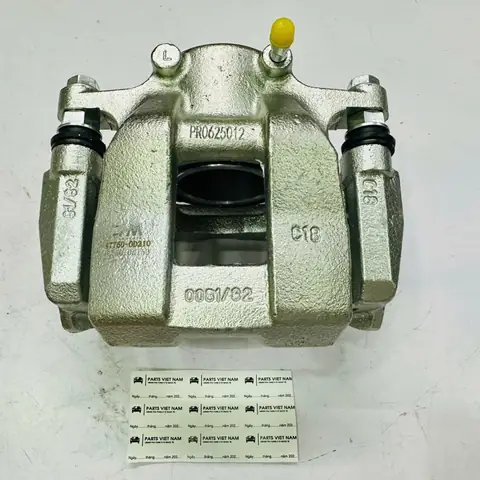
| Brakes | Brake Pads, Rotors, Calipers | Essential for safety and handling. Worn pads lead to longer stopping distances. |
| Suspension | Shock Absorbers, Struts, Control Arms | Improves ride comfort and vehicle stability. Worn components can cause uneven tire wear. |
| Engine | Spark Plugs, Timing Belts, Oil Filters | Maintains engine efficiency, fuel economy, and prevents major engine damage. |
| Transmission | Gearbox Oil, Clutch Kits | Ensures smooth gear shifts and prolongs transmission life. |
| Electrical | Alternators, Batteries, Sensors | Keeps your vehicle’s electrical systems operational and improves reliability. |
| Cooling System | Radiators, Water Pumps, Thermostats | Prevents engine overheating and protects critical components. |
| Exhaust | Mufflers, Catalytic Converters | Maintains emissions standards and reduces noise. |
| Interior | Seat Covers, Dash Panels, Door Panels | Protects and refreshes cabin aesthetics. |
| Exterior | Bumpers, Grilles, Mirrors | Maintains protective and aesthetic aspects of the vehicle. |
6. Why Choose OEM Over Aftermarket?
6.1 Reliability and Durability
OEM parts are manufactured to Toyota’s exact standards. They have undergone extensive testing for performance and durability, whereas aftermarket parts can vary significantly in quality.
6.2 Fit and Compatibility
OEM parts are engineered to fit your vehicle’s specific geometry and systems. Aftermarket parts may need modifications or may not fit properly, leading to poor performance or damage.
6.3 Warranty and Support
OEM parts often come with a manufacturer’s warranty, and Toyota’s customer support can provide assistance if issues arise. Aftermarket parts may have limited warranties or no support.
6.4 Resale Value
Cars repaired with OEM parts are often perceived as better maintained, preserving higher resale values.
7. Tips for Buying Toyota Parts Online
| Tip | Explanation |
|---|---|
| Verify the Seller’s Credentials | Look for verified sellers, official Toyota partnerships, or high seller ratings. |
| Check Return Policies | Ensure that the seller offers a reasonable return period for defective or mismatched parts. |
| Use Secure Payment Methods | Pay via platforms that offer buyer protection, such as PayPal or credit cards. |
| Compare Prices | Use price comparison tools to confirm you’re getting a competitive rate. |
| Read the Fine Print | Note shipping costs, taxes, and any additional fees. |
| Ask for a Warranty | Confirm whether the part comes with a warranty and its duration. |
| Check for Compatibility | Double‑check that the part matches your exact vehicle model and year. |
8. The Future of Toyota Parts Distribution
8.1 Digital児Key Systems
Toyota has been investing in digital parting systems, allowing dealerships and repair shops to order parts instantly Chronically. These systems reduce lead times and inventory costs, benefiting consumers who need parts quickly.
8.2 On‑Demand Parts Manufacturing
Some manufacturers are exploring on‑demand manufacturing, where parts are produced only when needed. This reduces waste and ensures you receive the exact part you require without excess inventory.
8.3 Sustainable Parts Initiatives
Toyota is actively working on eco‑friendly parts, such as recyclable brake pads and lightweight components that reduce fuel consumption and emissions.
9. Case Study: A Toyota Camry Owner’s Journey
9.1 The Problem
Mr. Nguyen, a Toyota Camry 2026 owner, noticed a decreasing fuel efficiency and a squealing noise while braking. He suspected a worn brake pad and a potentially faulty oil filter.
9.2 The Search
Using ToyotaParts.com, he entered his VIN and filtered for brake pads and oil filters. He found the exact OEM part numbers: BPH-29-12-9 for the brake pads and PF-15-95 for the oil filter.
9.3 The Purchase
He read multiple positive reviews, confirmed the authenticity seals, and placed the order. The parts shipped within 48 hours, and the 30‑day return policy offered peace of mind.
9.4 The Result
After installing the new OEM brake pads and oil filter, the Camry’s braking performance improved dramatically, and the fuel efficiency returned to baseline. Mr. Nguyen was satisfied with the cost, speed, and quality of the parts.
10. Frequently Asked Questions (FAQs)
10.1 Are the parts on ToyotaParts.com truly 100% OEM?
Yes, all parts are sourced directly from Toyota’s global distribution network and carry the official Toyota OEM certification.
10.2 What if I receive a wrong part?
You can contact ToyotaParts.com’s support team. They offer a hassle‑free return and replacement process for mismatched parts.
10.3 How long does shipping take?
Domestic shipping usually takes 3–5 business days. International shipping can range from 7–15 business days, depending on customs clearance.
10.4 Is there an installation guide available?
Yes, each product page includes a detailed installation guide and video tutorials. Additionally, the support team can provide assistance.
10.5 Can I get a discount for bulk purchases?
ToyotaParts.com offers bulk purchase discounts for larger orders. Contact their sales team for a custom quote.
11. Conclusion
Maintaining your Toyota with genuine parts is not just a matter of preference—it’s a strategic decision that protects your vehicle’s performance, safety, and value. With the rise of digital marketplaces, sourcing OEM parts has never been easier or more reliable. ToyotaParts.com stands out as a dedicated, trustworthy platform that delivers a comprehensive catalog, authentic OEM parts, and exceptional customer support.
Whether you’re a seasoned mechanic, a DIY enthusiast, or a casual owner needing a quick replacement, the right parts are just a few clicks away. Embrace the convenience, quality, and peace of mind that come with OEM parts from ToyotaParts.com, and keep your Toyota running like new for years to come.